
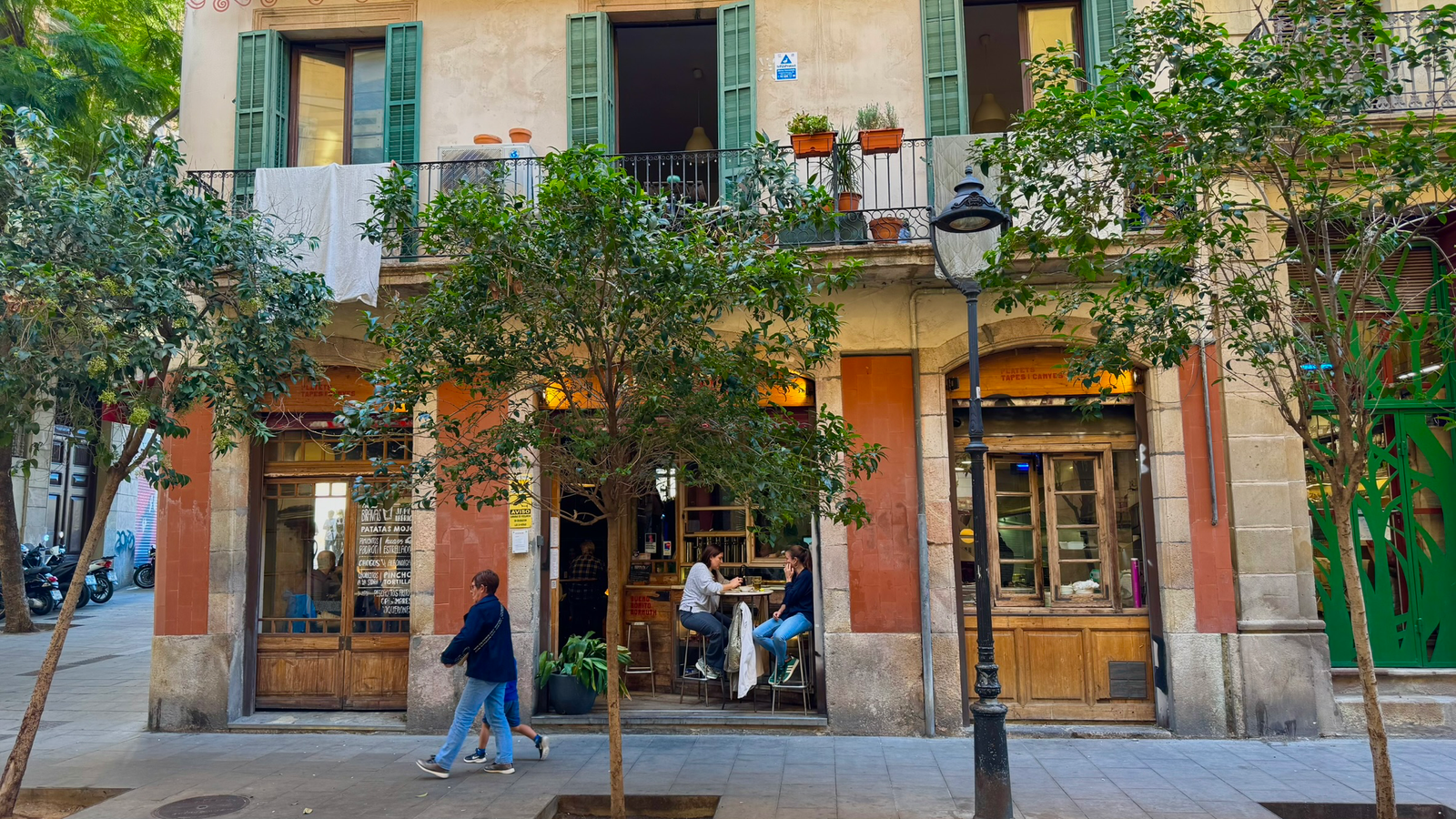
Where to Stay in Barcelona: My Honest District-by-District Guide
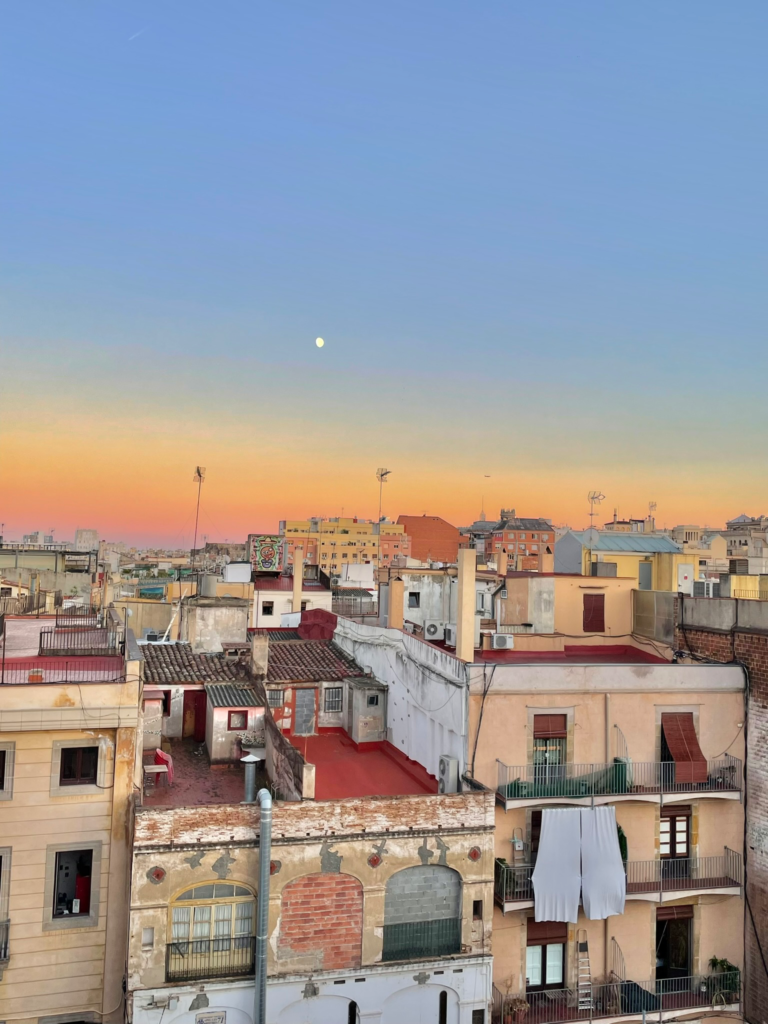
I’ve lived in Barcelona for four years now, and if there’s one question I get asked more than any other, it’s this one: „Marie, where should we actually stay in Barcelona?“
And honestly, I get why people struggle with it. Barcelona isn’t one of those cities where you can just book „somewhere central“ and be done with it. The neighborhoods here are genuinely different from each other, not just in vibe, but in noise level, crowd, price, and how far you’ll be walking every single day.
I’ve had friends stay in party hostels in the Gothic Quarter who couldn’t sleep for three nights straight, and I’ve had other friends stay in Eixample who told me it felt „Poblenou“ for a city break. So I wanted to put together a proper guide, based on actually living here, not just visiting for a weekend.
This is going to be long, because I want to actually help you get this right, but if you’re short on time, here’s my quick answer first.
I recommend booking your activities and experiences early, especially popular attractions and tours, as spots can fill up quickly. With my GetYourGuide „TRAVELWITHMARRY5„ discount code, you can also save 5% on your bookings.
Where to Stay in Barcelona, My Quick Answer
If you ask me what’s genuinely the best all-around choice, it’s Eixample. It feels safe, it’s packed with great restaurants, and it’s noticeably quieter at night than the old town, which honestly makes a big difference when you actually want to sleep on your trip.
El Born is where most of the tourist attractions are, and you’re also a bit closer to the beach from there. The trade-off is that it can get pretty wild down there at night, so just go in knowing that.
I also really love Gràcia. Everything there is smaller and quieter, you’ve got tons of local spots, and it just has this sweet, low-key charm to it that I personally love.
If beach time is your priority, I’d actually steer you away from Barceloneta despite it being the „obvious“ pick, it’s just very touristy and there’s a lot going on. I’d look elsewhere along the coast instead.
A Bit About How Barcelona Is Laid Out
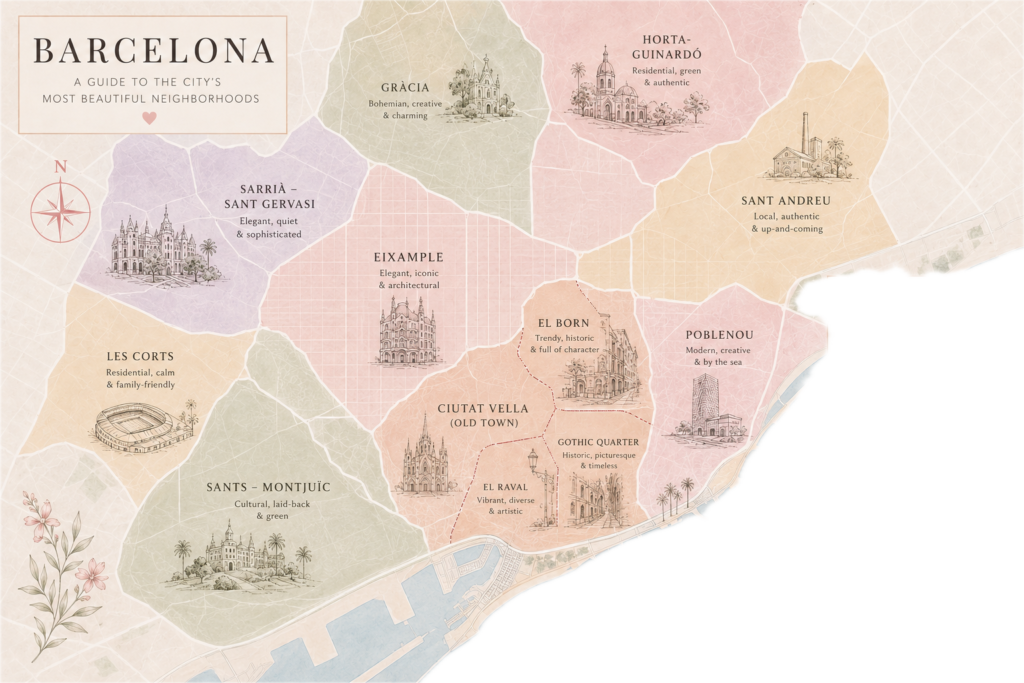
Before I get into each area, it helps to understand the basic geography, because this trips a lot of first-time visitors up.
Barcelona’s old town is called Ciutat Vella, and it’s split into a few districts: the Gothic Quarter, El Born, El Raval, and Barceloneta on the coastal edge. This is the historic core, all narrow streets, and it’s where most people picture themselves when they imagine a Barcelona trip.
Right above Ciutat Vella is Eixample, the grid-shaped 19th-century expansion with wide boulevards, most of the famous Gaudí buildings, and Barcelona’s main shopping street, Passeig de Gràcia.
Above that is Gràcia, a former separate village that got swallowed by the city and still has its own distinct, villagey character.
And then along the coast north of Barceloneta, you’ve got Poblenou, the old industrial district that’s turned into one of the trendiest parts of the city.
Knowing this layout alone will save you a lot of confusion when you’re comparing hotel listings.
1. El Born
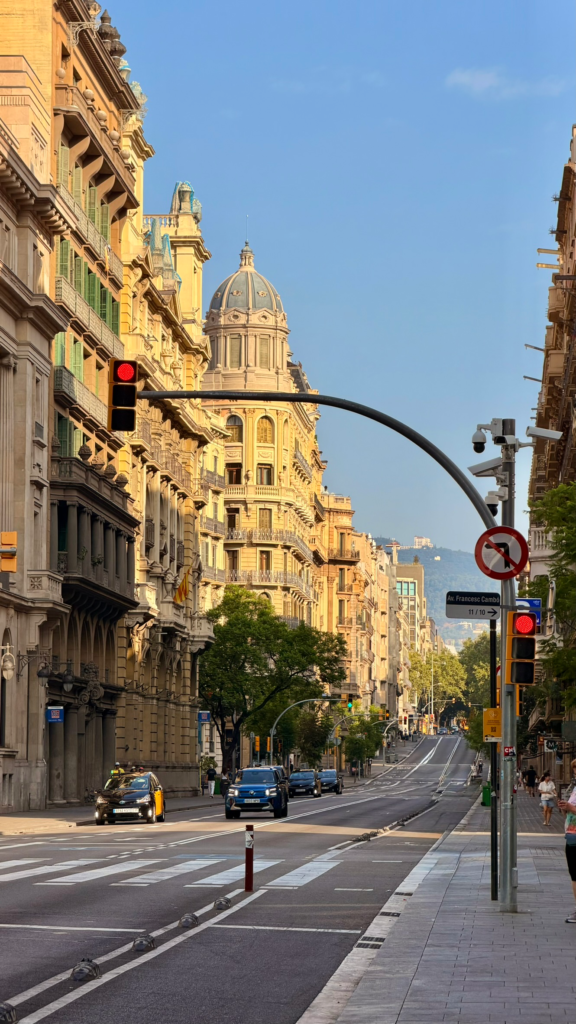
El Born is where you’ll find the highest concentration of Barcelona’s tourist attractions, and it’s also a bit closer to the beach than most of the other central areas, which is a nice bonus.
It has that same medieval, cobblestoned charm as the Gothic Quarter right next door, with tiny squares, Gothic churches like Santa Maria del Mar, and streets that are honestly just gorgeous to get lost in. It’s generally a little calmer than the Gothic Quarter itself, but I’ll be honest, it can still get pretty wild down there at night, especially on weekends, so it’s not the quiet option some people expect.
This is also where you’ll find some of Barcelona’s best food. El Born is packed with incredible little tapas bars, wine spots and specialty coffee shops, and it’s right next to Parc de la Ciutadella, which is one of the nicest parks in the city for a walk or a picnic.
Location-wise, it’s also just really convenient. You’re a short walk from the beach, the Gothic Quarter, and Barceloneta, and it’s an easy metro ride to Eixample or Gràcia if you want to explore further out.
Must Do in the the District → Wine & Tapas Tasting Tour, not a generic food tour, this is specifically El Born’s thing.
Pros of Staying in El Born
- Beautiful medieval streets without the worst of the Gothic Quarter’s late-night noise
- Some of the best restaurants and wine bars in the whole city
- Walking distance to the beach, Ciutadella Park and the Picasso Museum
- Central enough to reach almost anywhere on foot
My Personal Hotel Recommendation: Miiro Borneta
Cons of Staying in El Born
- It’s popular, so prices for hotels here can be a bit higher than other central areas
- Streets can still get busy and loud
- Some hotels are in old buildings, so don’t expect huge rooms or elevators everywhere
2. Barri Gòtic (Gothic Quarter) — Iconic, Central, but Come Prepared for Noise
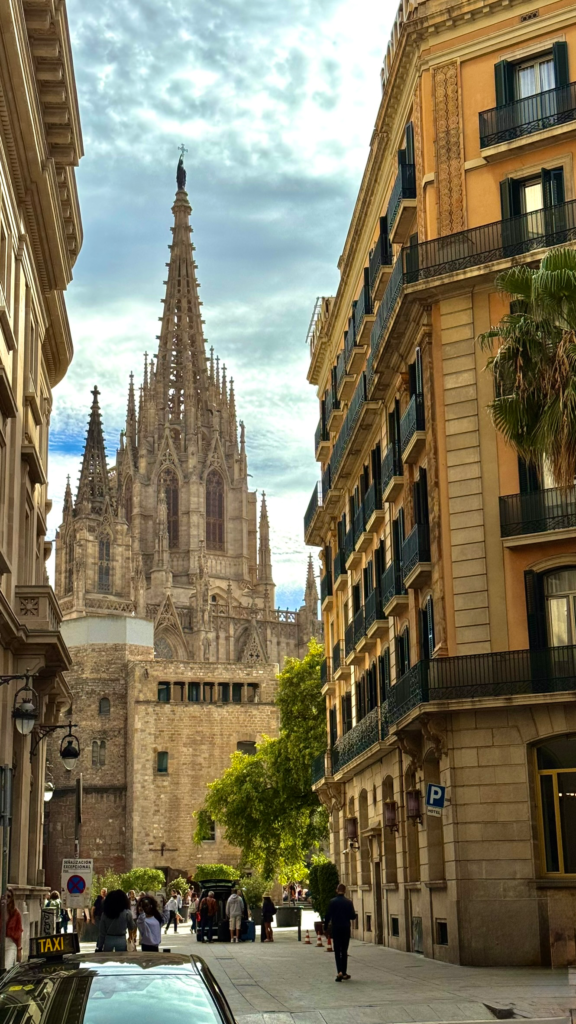
The Gothic Quarter is what most people picture when they think of Barcelona, and for good reason. The maze of medieval alleyways, the cathedral, the little hidden squares like Plaça Sant Felip Neri — it’s genuinely beautiful and it’s the most central area in the whole city.
The thing I always tell people: This is the loudest, busiest, most touristy part of Barcelona, especially at night. If you’re a light sleeper, definitely look for a hotel on a smaller side street rather than anything close to Las Ramblas or Plaça Reial, both of which stay loud well past midnight.
Must Do in the the District → Flamenco Show
That said, if you pick your street carefully, this is an incredible base. You’re within walking distance of pretty much every major sight, and there’s no shortage of great tapas bars, though I’d honestly say the food quality here is more hit-or-miss than in El Born, simply because of how many places cater to tourists passing through.
Pros of Staying in the Gothic Quarter
- The most central location in the city, everything is walkable
- Beautiful, atmospheric medieval architecture
- Tons of hotel options at every price point
- Great nightlife if that’s what you’re after
My Personal Hotel Recommendation: H10 Madison 4* Sup
Cons of Staying in the Gothic Quarter
- Can be very loud at night, especially near Las Ramblas and Plaça Reial
- Extremely touristy, and restaurant quality is inconsistent
- Narrow streets mean some hotels have limited natural light or small rooms
I recommend booking your activities and experiences early, especially popular attractions and tours, as spots can fill up quickly. With my GetYourGuide „TRAVELWITHMARRY5„ discount code, you can also save 5% on your bookings.
3. Eixample — My Top Pick for a Calmer, More Elegant Base
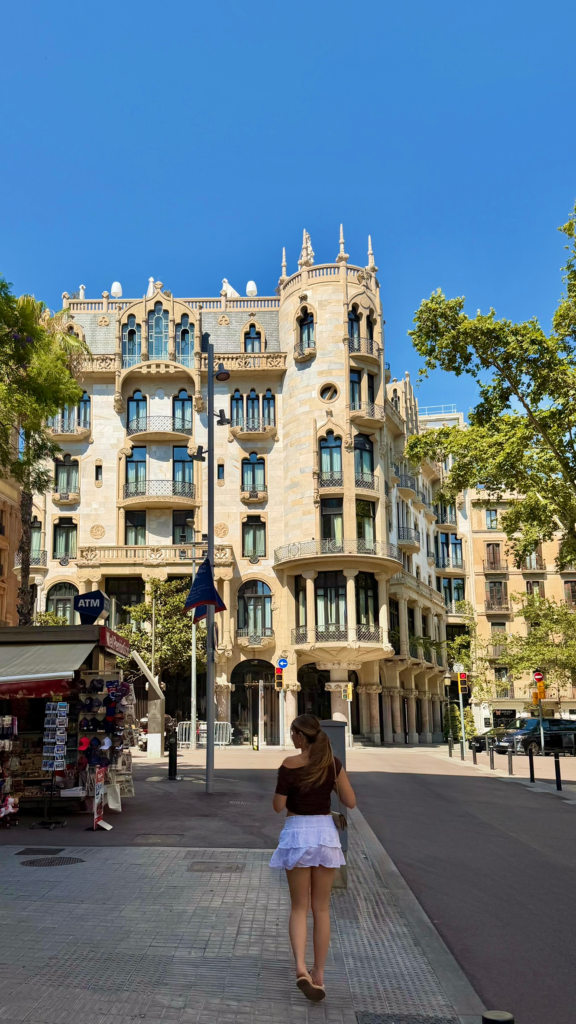
If I had to pick just one area, Eixample would be it. It feels safe, it’s full of great restaurants, and it’s genuinely underrated compared to the old town.
The area around Passeig de Gràcia puts you right next to Gaudí’s most famous buildings, Casa Batlló and La Pedrera, plus Barcelona’s main shopping street. But because the streets here are wide and the buildings are taller, it feels noticeably calmer than the tangled alleys of the old town, even though you’re just as central.
I also just love the food scene here. It’s more local, a bit less tourist-trap-y than the Gothic Quarter, and you’ll find everything from classic vermuterías to some genuinely excellent modern Catalan restaurants. It’s also within easy walking distance of El Born and the Gothic Quarter, so you’re not sacrificing much in terms of access.
If you’re the kind of traveler who wants a good night’s sleep and doesn’t mind a slightly longer walk to reach the beach, Eixample is honestly hard to beat.
Must Do in the the District → The 3 Gaudí Houses Tour (Vicens, Milà and Batlló)
Pros of Staying in Eixample
- Feels safe and much quieter at night than the old town
- Some of the best restaurants in the whole city
- Central and walkable, home to most of the famous Gaudí buildings
- Wide, elegant streets that are genuinely nice to walk around
My Personal Hotel Recommendation: Ohla Eixample
Cons of Staying in Eixample
- Can get pricey right around Passeig de Gràcia itself
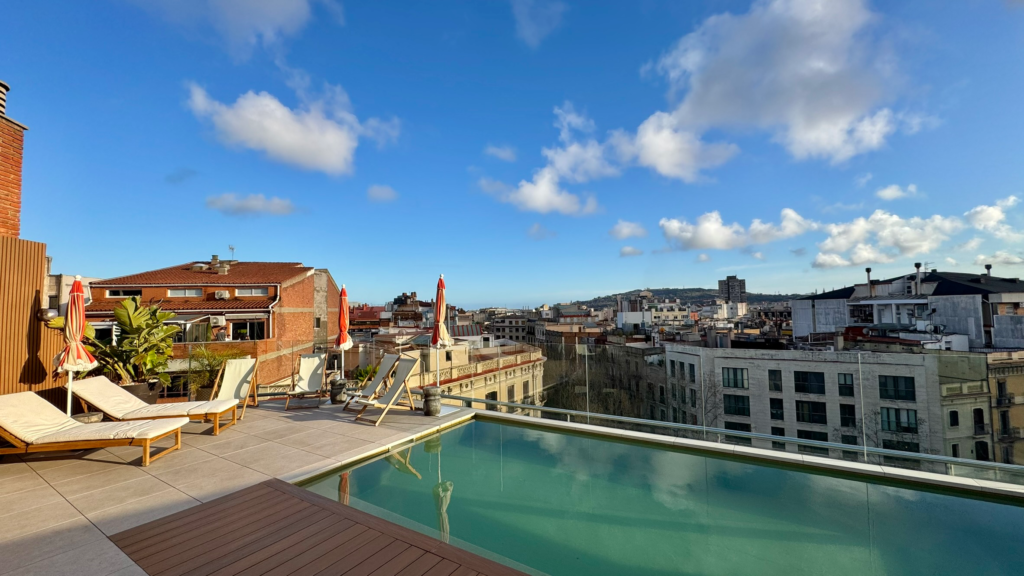
4. Barceloneta — Best for Beach Access, but Manage Your Expectations
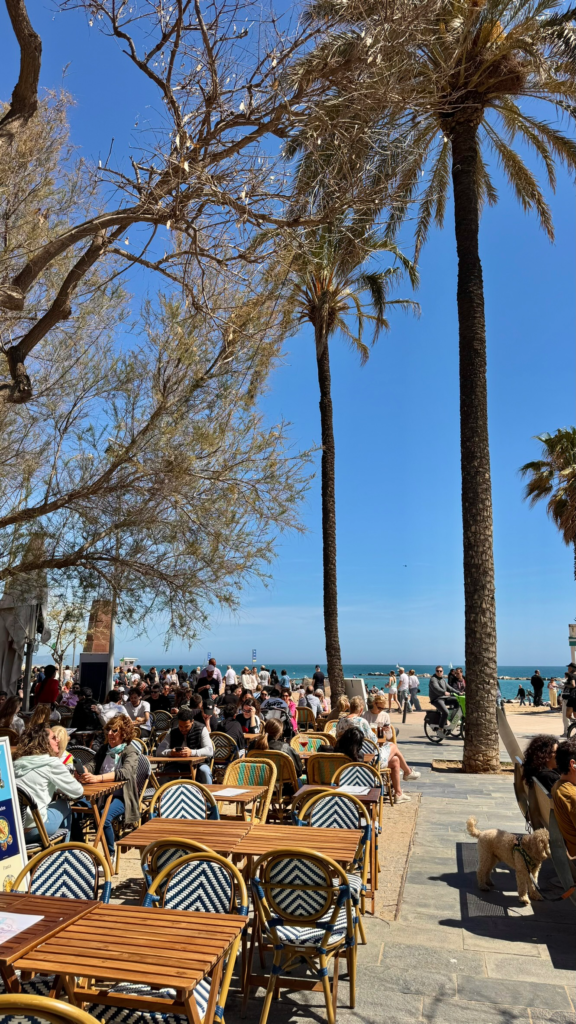
Barceloneta is the „obvious“ choice if a beach walk in the morning matters more to you than anything else, and I get the appeal. It’s a former fishing neighborhood right on the water, with tons of seafood restaurants and that classic beachfront promenade.
But I’ll be honest with you here, because I always am: it’s just very touristy and there’s a lot going on, especially in summer. If I’m being real with you, it’s probably not where I’d personally choose to stay. The beachfront itself can feel a bit rowdy at night, and restaurant quality right on the sand tends to be overpriced. Head a couple of streets back into the actual neighborhood, and you’ll find better, more local food, but I’d still look at Poblenou first if beach access matters most to you.
If you’re visiting in summer and beach time is your top priority, it can absolutely work. Just know that you’re trading some of the old town’s charm and Eixample’s calm for direct sand access.
Must Do in the the District → Helicopter Tour over Barcelona (departs from the port), pricier, but exactly the premium add-on people book when they’re already by the water. Alternative: Sunset Catamaran Tour.
Pros of Staying in Barceloneta
- Direct access to the beach, no long walk needed
- Great seafood if you know where to look, just a street or two back
- Real fishing-village character in the inner streets
- Easy walk to the Gothic Quarter and El Born
My Personal Hotel Recommendation: W Barcelona
Cons of Staying in Barceloneta
- Can be loud and party-heavy near the beach, especially in summer
- Tourist-trap restaurants right on the promenade
- Fewer boutique hotel options than the old town or Eixample
5. Gràcia — For a Local Feel and Fewer Tourists
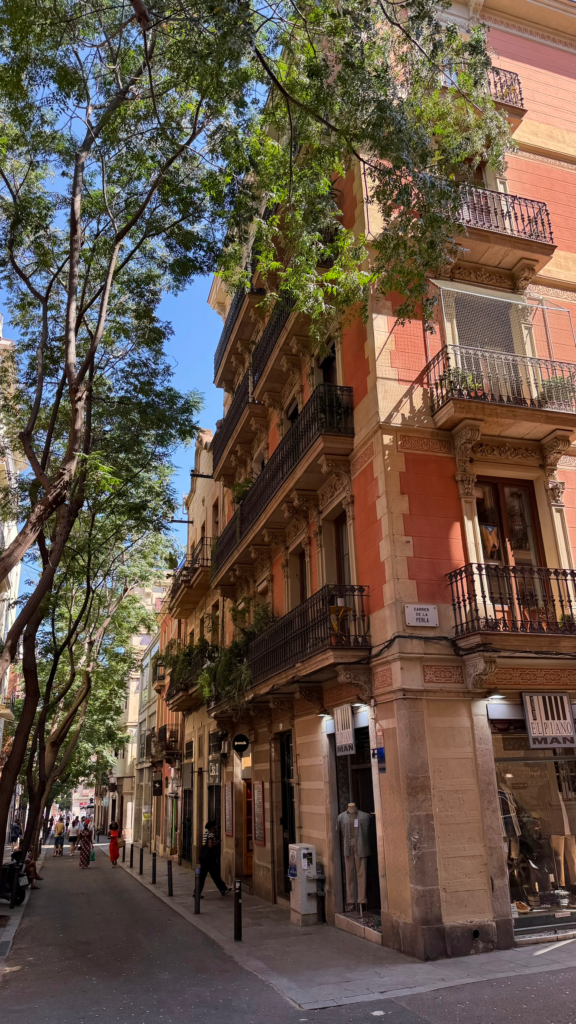
Gràcia used to be its own separate town before Barcelona absorbed it, and it still feels that way today. Everything here is just smaller and quieter than the rest of the city. Narrow streets open onto small squares full of locals having their morning coffee or evening vermouth, and there’s a genuinely artsy, laid-back energy that’s completely different from the old town.
I know it sounds simple, but I honestly just find it really sweet here. This is where I’d send someone who’s already done the main Barcelona sights before, or who just prefers a more residential, „living like a local“ kind of trip. You’ll find loads of independent boutiques, natural wine bars and some of my personal favorite local spots in the whole city here.
The trade-off is distance. You’re not within easy walking distance of the beach or most major sights, so you’ll be relying on the metro or a fair amount of walking to get around. It’s absolutely doable, just something to factor in if you’re only in town for a couple of days.
Must Do in the the District → Park Güell sits directly above Gràcia.
Pros of Staying in Gràcia
- Real local vibe, far fewer tourists
- Fantastic independent restaurants and bars
- Beautiful small squares like Plaça del Sol and Plaça de la Vila de Gràcia
- Generally better value than the old town or Eixample
My Personal Hotel Recommendation: El Palauet Modernist Suites Barcelona
Cons of Staying in Gràcia
- Further from the beach and most major sights
- Fewer big hotel options, more small guesthouses and apartments
- You’ll need the metro to get around efficiently
Best Places to Stay in Gràcia
This neighborhood leans more toward apartment-style stays and small guesthouses than big hotel chains, which honestly fits the local vibe. Look for stays around Plaça del Sol or Plaça de la Vila de Gràcia for the most walkable, atmospheric spot right in the middle of the action.
6. Poblenou — Trendy, Design-Focused, and Right on the Beach
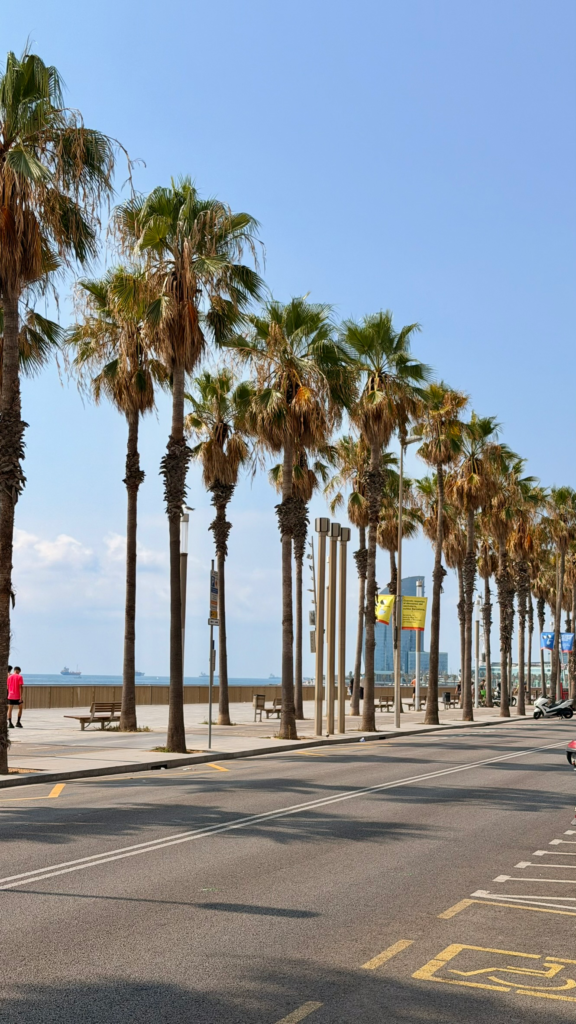
Poblenou used to be Barcelona’s industrial district, full of old factories, and over the past decade it’s turned into such a cool neighborhood in the city, specialty coffee shops, and a great beach that’s less crowded than Barceloneta’s.
It’s a bit further from the old town, so you’ll be doing more walking or taking the metro or a bike to reach the Gothic Quarter or Eixample. But if you want a quieter, more local beach experience with a creative, design-hotel kind of energy, this is a fantastic option, and one that’s growing in popularity every year.
Must Do in the the District → Paddleboarding Sunrise
Pros of Staying in Poblenou
- Quieter, more local beach than Barceloneta
- Cool, design-forward hotels and coffee shops
- Great for a more relaxed, less touristy trip
- Good bike lanes for getting around
My Personal Hotel Recommendation: The Hoxton, Poblenou
Cons of Staying in Poblenou
- Further from the old town and main sights
- Fewer options if you want to walk everywhere
- Nightlife is quieter, which is a pro or con depending on what you want
FAQs About Where to Stay in Barcelona
What is the best area to stay in Barcelona for first-time visitors?
I’d recommend Eixample or Gracia. Both are central and walkable to the main sights, but noticeably calmer at night than the Gothic Quarter, which is the area most first-timers end up regretting once they realize how loud it gets after dark.
Is it better to stay near the beach or in the city center in Barcelona?
It depends on your priorities. If beach time is the main reason for your trip, Barceloneta or Poblenou make sense. But if you want to actually explore the city, its architecture and its food scene, I’d stay more central in Eixample, El Born or the Gothic Quarter, since the beach is only ever a 15–20 minute walk or a short metro ride away from anywhere in the city.
Which area of Barcelona should I avoid staying in?
I wouldn’t say avoid entirely, but be cautious with hotels right on or very close to Las Ramblas, especially in the Gothic Quarter and El Raval. It’s extremely central, but also the loudest and most touristy part of the city, and El Raval in particular can feel a bit sketchy at night in certain pockets.
Is Barcelona safe for tourists?
Generally yes, Barcelona is a safe city, but like any major tourist destination, pickpocketing is a real issue, especially around Las Ramblas, on the metro, and at busy sights like Sagrada Família. Keep your bag zipped and in front of you in crowded areas, and you’ll be fine.
How many days do you need in Barcelona?
I’d say 4 to 5 days minimum if you want to see the main sights without rushing, and closer to a week if you also want time to properly explore different neighborhoods like Gràcia and Poblenou, not just the old town.
Final Thoughts on Where to Stay in Barcelona
After four years living here, my honest advice is this: if it’s your first trip and you want the easiest, most balanced experience, go with Eixample or El Born. Both give you that central, walkable Barcelona feeling without the worst of the noise you’ll find deeper into the Gothic Quarter or right on the Barceloneta beachfront.
If you’re coming back for a second or third trip and want to feel a bit more like a local, Gràcia and Poblenou are both fantastic choices that most first-timers never even consider.
There’s genuinely no wrong answer here, though, as long as you pick an area that actually matches the kind of trip you want to have. I hope this guide helps you figure that out a little more easily than I did when I first moved here.
I recommend booking your activities and experiences early, especially popular attractions and tours, as spots can fill up quickly. With my GetYourGuide „TRAVELWITHMARRY5„ discount code, you can also save 5% on your bookings.
Some of the links in this post are affiliate links, meaning I may earn a small commission if you book through them, at no extra cost to you. I only recommend places I’d genuinely consider staying at myself.
Ein Kommentar